

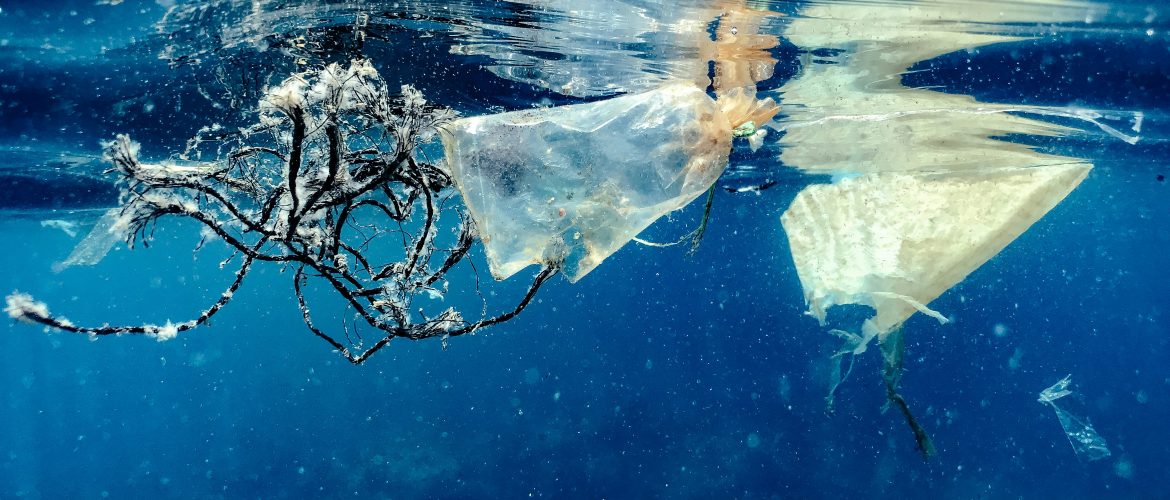
When you walk down a beach in Mombasa, the first thing you notice isn’t the ocean. It’s the plastic. Bottles, caps, wrappers, fragments of things that used to be useful. And yet, if you look closely, it’s not waste. It’s material. The only reason it feels invisible, or worse, an eyesore, is that we’ve trained ourselves to see it as something to throw away.
Here’s the trick: most things people call waste are only waiting for a better idea. A plastic bottle lying in the sand isn’t just an abandoned bottle. It’s potential. At Twende Green Ecocycle, we’ve started asking: what if that bottle were a chair? Or a school desk? What if the plastic in front of you wasn’t a problem, but the beginning of a solution?
It sounds counterintuitive. Furniture from trash? But that’s often where good ideas live, in the gap between what seems obvious and what actually makes sense. Entrepreneurs know this feeling. The best opportunities don’t come dressed up with a sign that says “opportunity.” They come disguised as something ordinary, even ugly. The kind of thing you walk past every day without noticing.
Think about this: wood is scarce and expensive. Schools in coastal Kenya struggle to afford durable furniture. Meanwhile, oceans and beaches are overflowing with strong, versatile plastic. The strange thing is, society treats these two problems as if they lived in different universes. But they’re the same puzzle. And when you put them together, you get an answer: recycle the plastic, mold it, and you’ve got furniture.
Once you see that, you can’t unsee it. You start to wonder how many other “wastes” are really raw materials in disguise.
Of course, there’s resistance. People love the familiar. A desk made from plastic waste feels unusual. But history shows that what feels unusual today often becomes the standard tomorrow. Steel used to be dismissed as a cheap alternative to iron. Now, entire cities are built from it. The same will be true for recycled plastic furniture.
What’s interesting here isn’t just the recycling. It’s the mental shift. Instead of asking, “How do we get rid of this plastic?” we ask, “What can we build from it?” That’s the kind of question that opens doors, not just for solving environmental problems, but for rethinking business itself.
If you’re starting something, look at the things in front of you that everyone else ignores. Ask yourself: what if this weren’t a problem, but an ingredient? Most startups aren’t built by discovering new elements. They’re built by rearranging what’s already there, but in a way no one thought of before.
So the next time you see a pile of plastic, don’t just see trash. Try this thought experiment: imagine it’s a classroom full of desks, or a playground of benches. Imagine it’s the raw material of a company. Because it is.
At Twende Green Ecocycle, we’re not just making furniture. We’re shifting perspective. We’re reminding ourselves and hopefully others that sometimes the future is already lying in front of us. It just doesn’t look like it yet.
No comments yet.