

February 12, 2026
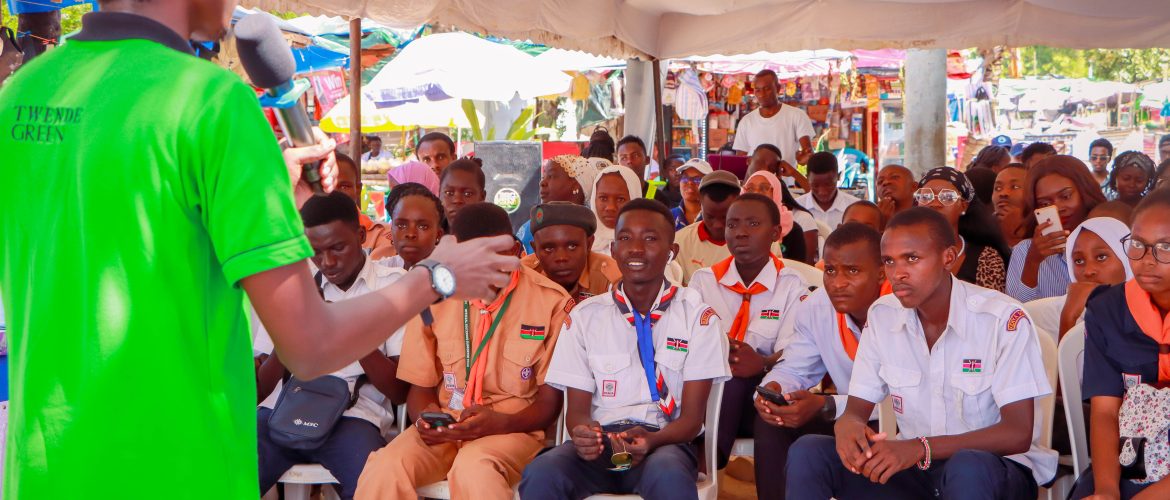
First, let me start this article by saying that we did not set out to be “innovators.” We set out to survive. I am a founder at Twende Green Ecocycle. And today, we have been selected among 100 Innovators Shaping Africa’s Blue Economy. People congratulate us, yes. They call it a milestone. They say it is proof that young Africans are leading change. But I want to say something uncomfortable. We did not start Twende Green because we wanted recognition.We started because our beaches

September 27, 2025
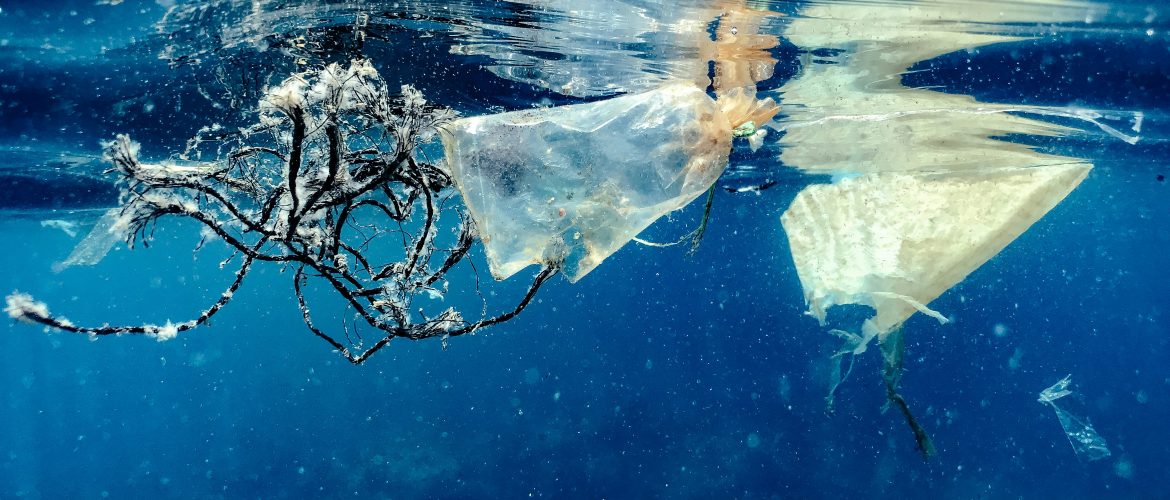
When you walk down a beach in Mombasa, the first thing you notice isn’t the ocean. It’s the plastic. Bottles, caps, wrappers, fragments of things that used to be useful. And yet, if you look closely, it’s not waste. It’s material. The only reason it feels invisible, or worse, an eyesore, is that we’ve trained ourselves to see it as something to throw away. Here’s the trick: most things people call waste are only waiting for a better idea. A plastic

October 28, 2024
On June 20, 2024, at 22:00 hours, as I stood on the stage at the Mombasa Youth Awards, clutching the Best Innovation in Mombasa 2024 trophy, I couldn’t help but reflect on the incredible journey that brought us here. Just a few months ago, We were driven by a vision: to turn the tide against ocean-bound plastics and create sustainable solutions that would not only benefit our environment but also uplift our community. Every day, I witnessed the devastating impact of

October 24, 2024
At Twende Green Ecocycle, we believe that every piece of recycled ocean-bound plastic has a story worth telling. From discarded bottles littering the beaches of Mombasa to durable school desks used by eager students, our mission is not just about waste management—it’s about creating value, fostering community, and building a sustainable future. In this blog post, we take you on a journey of transformation: how the plastic waste polluting our coastlines is turned into something meaningful, providing both environmental and social